
Products
Navigation
Send Us A Message
‹
›
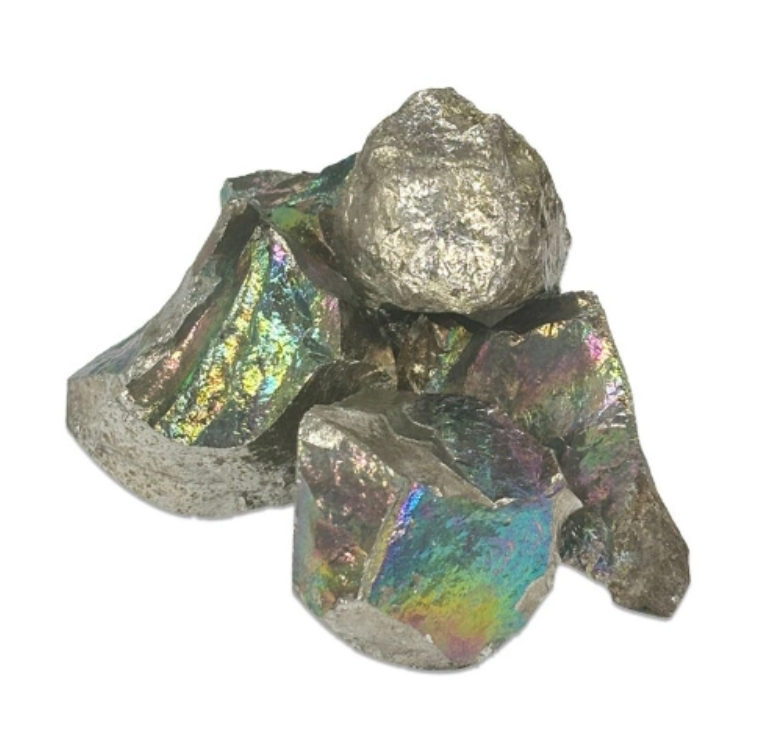
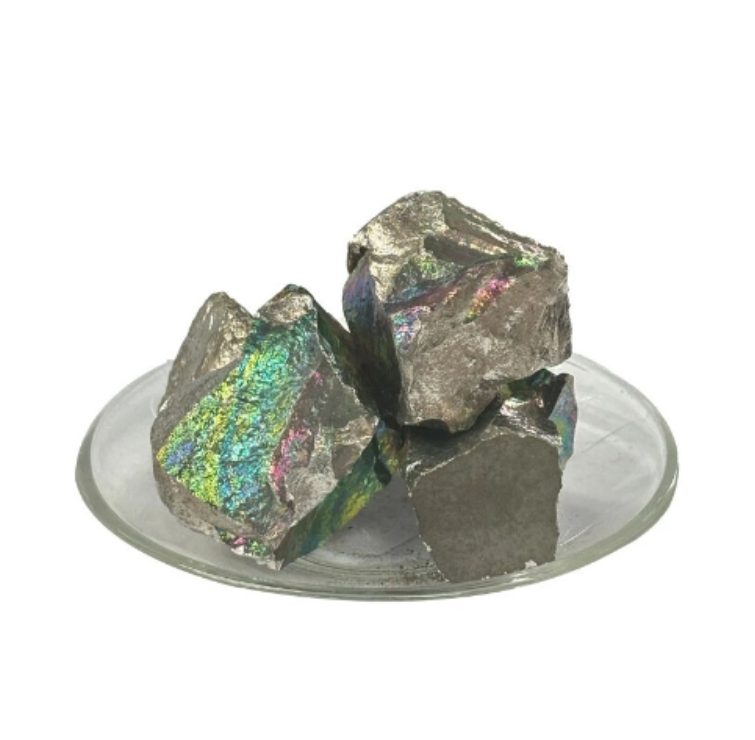
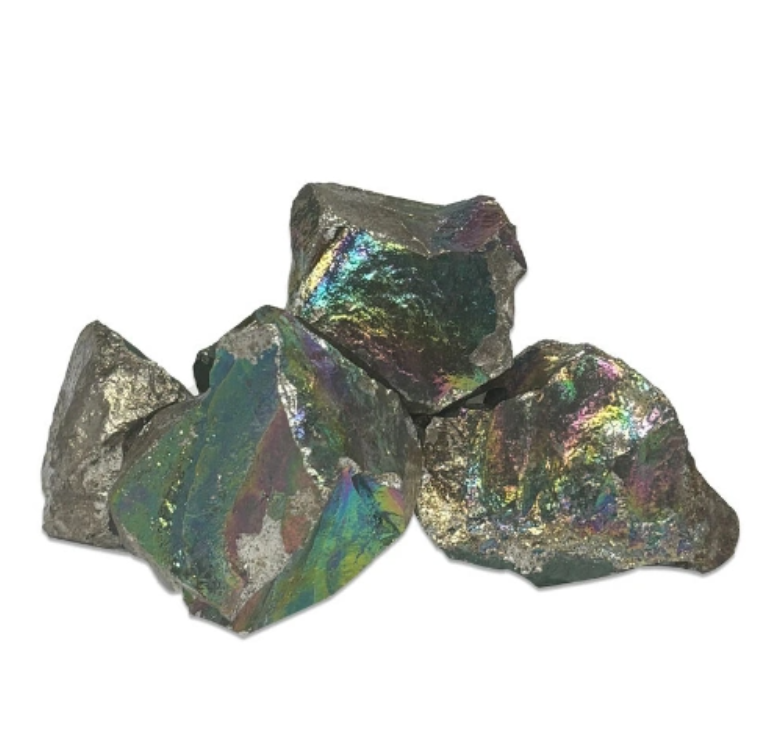
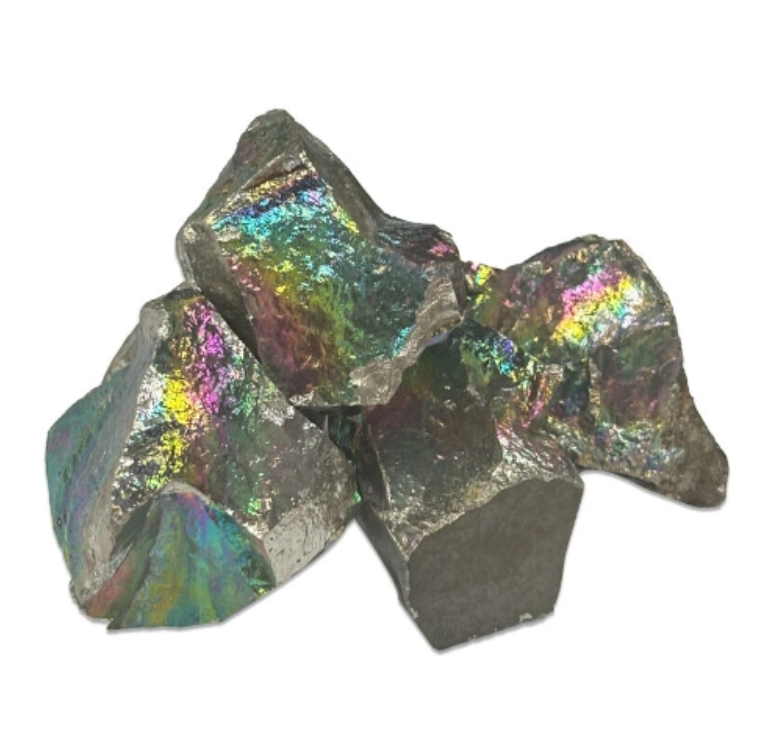
Manganese Metal
Basic Information
Specification and particle size: natural lump, 10-100mm, powder or customised according to customers' requirements.
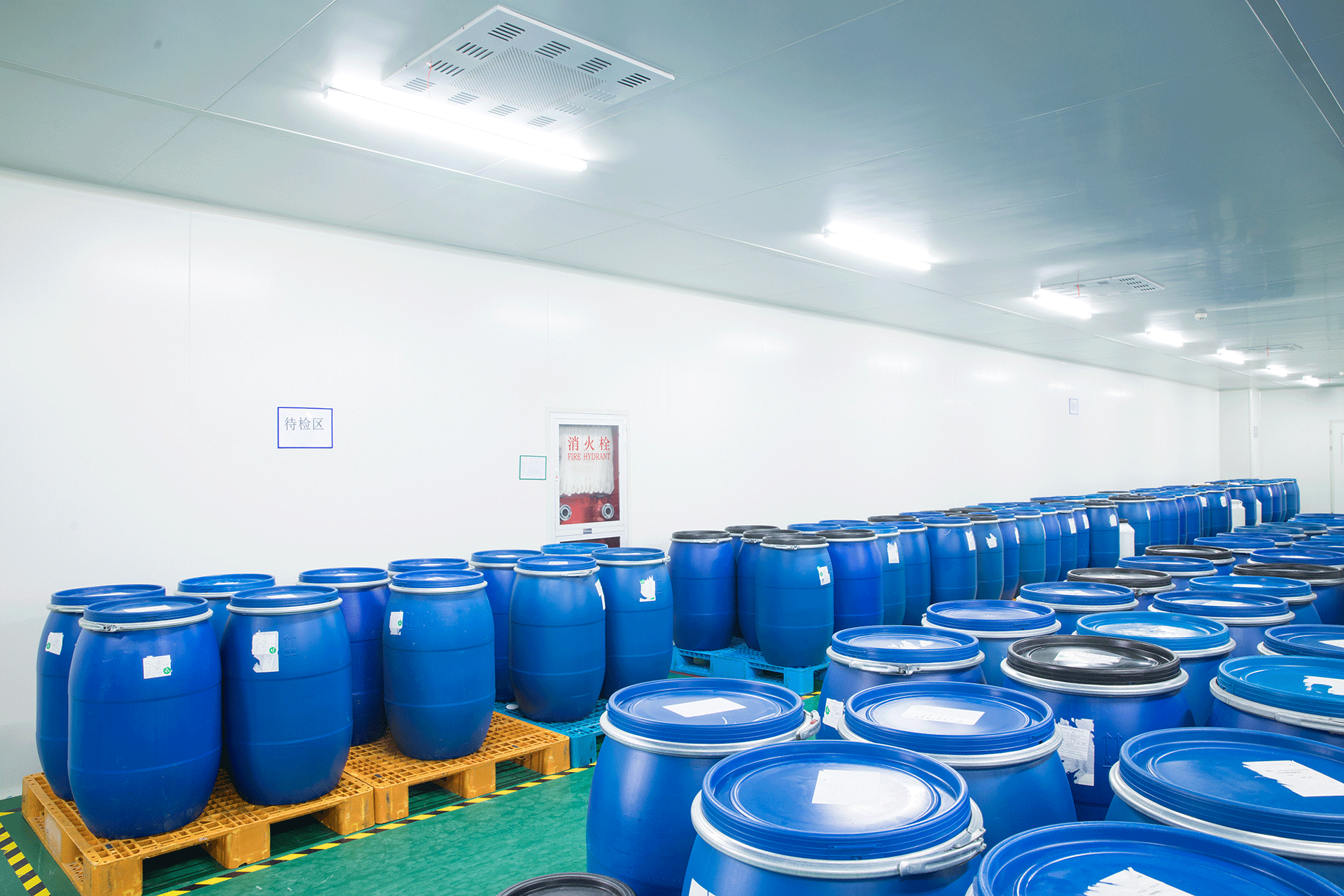
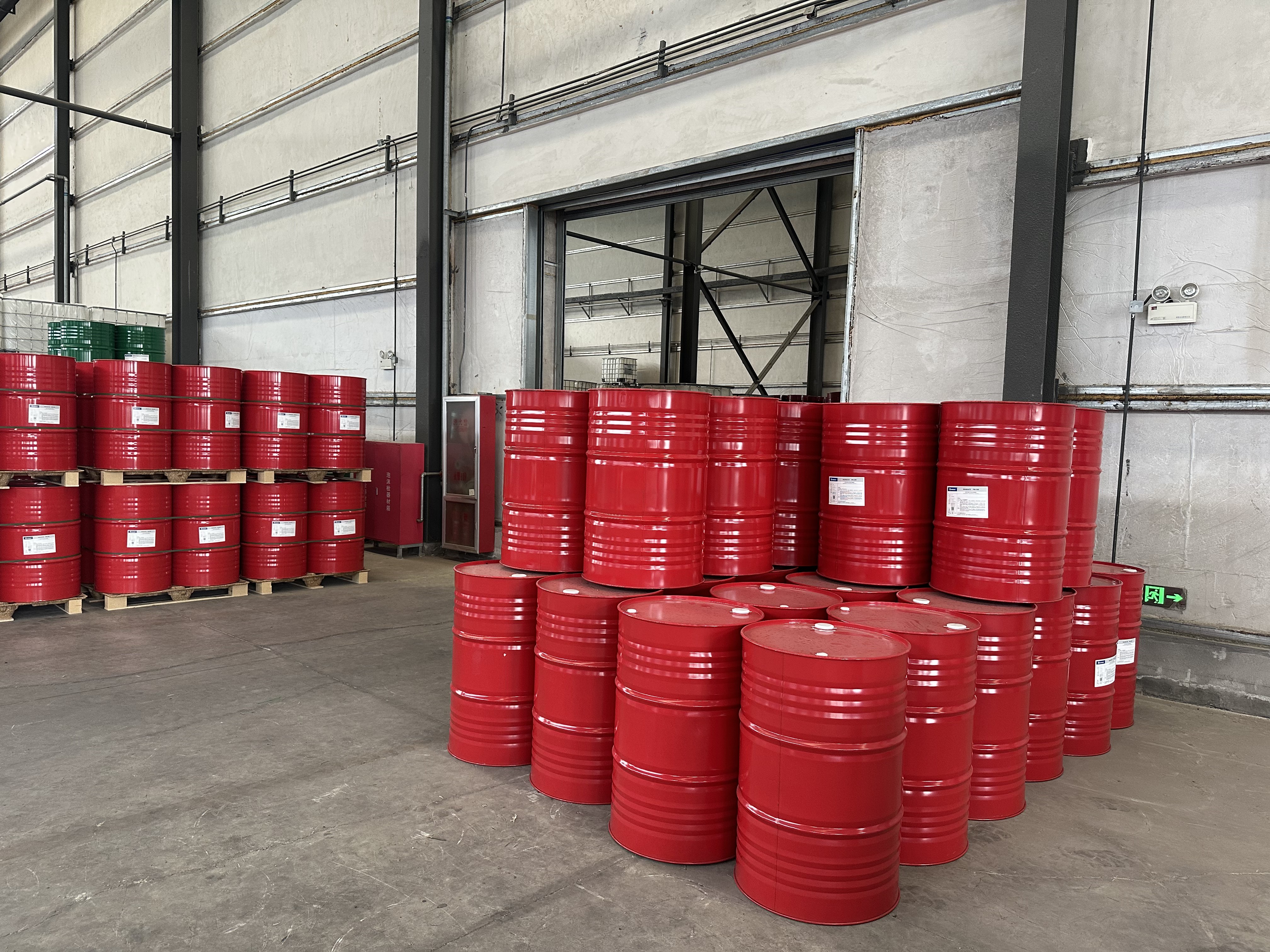
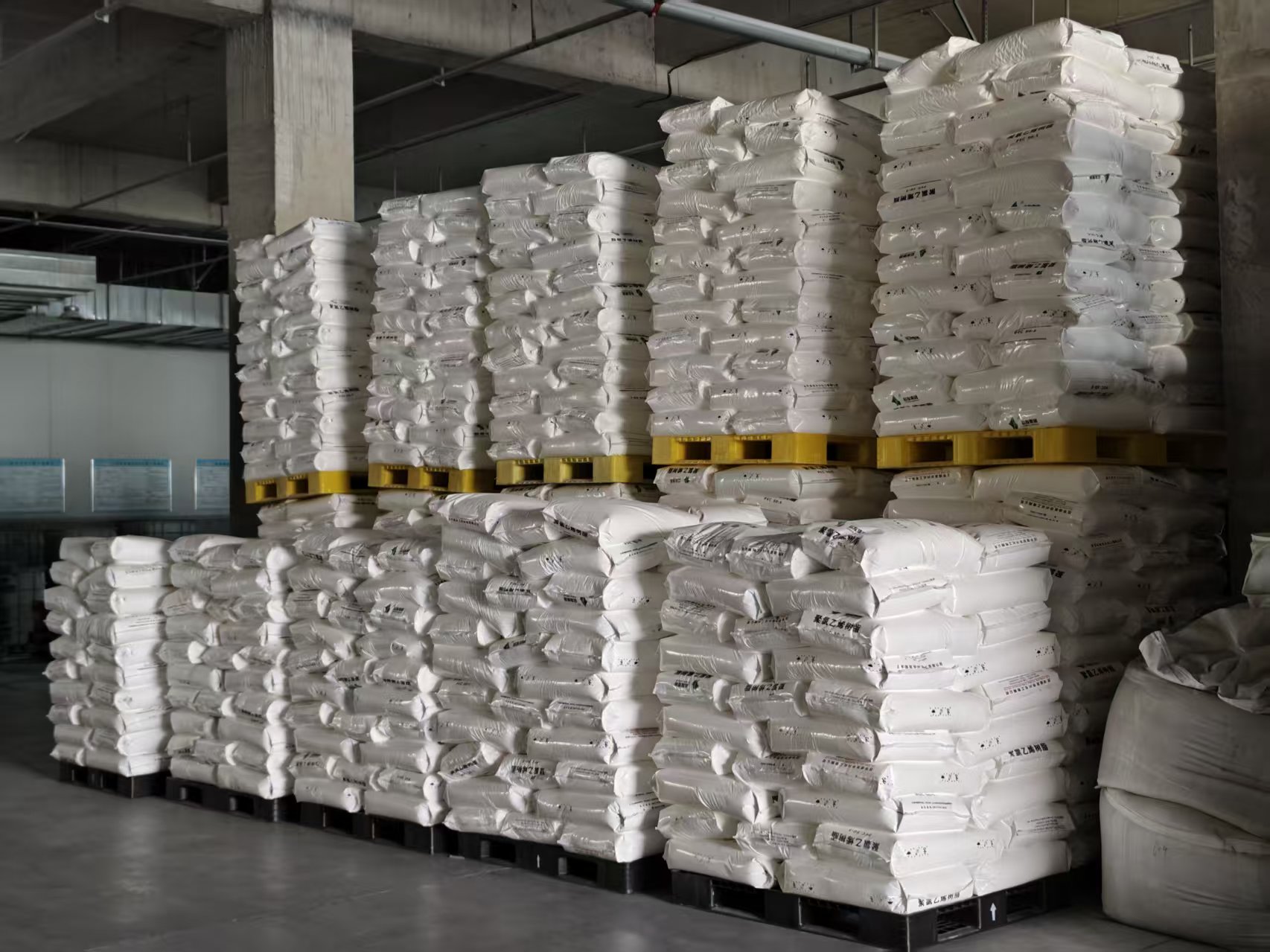
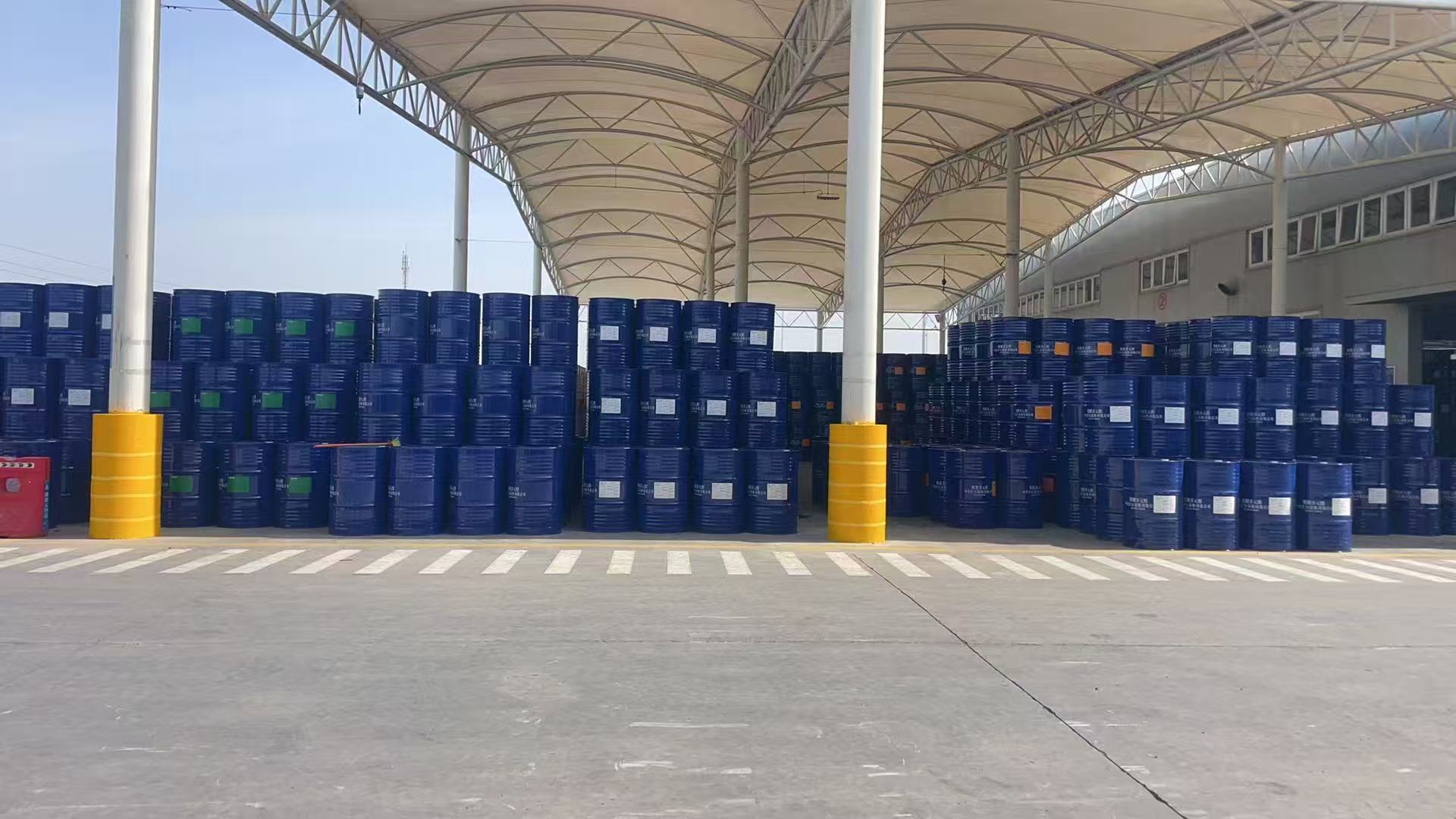
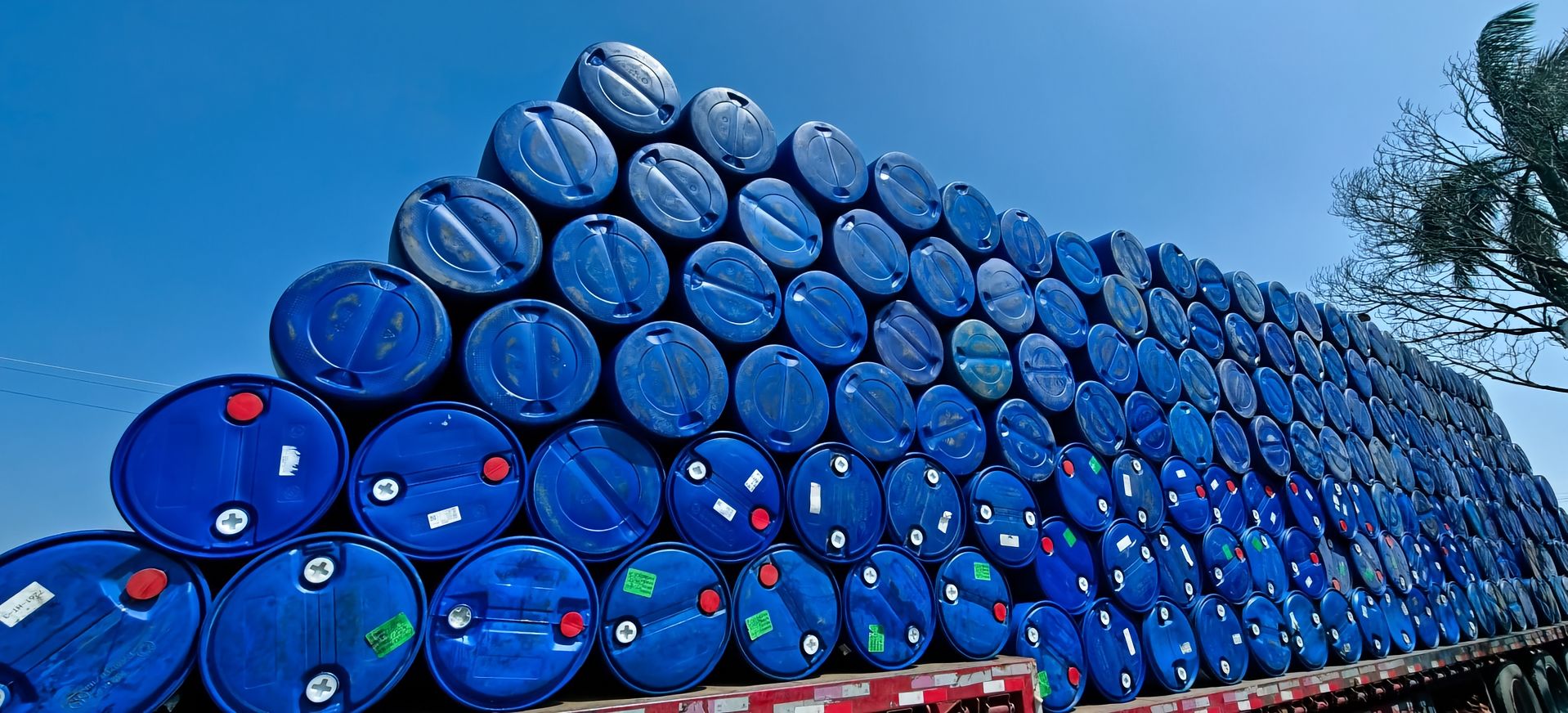
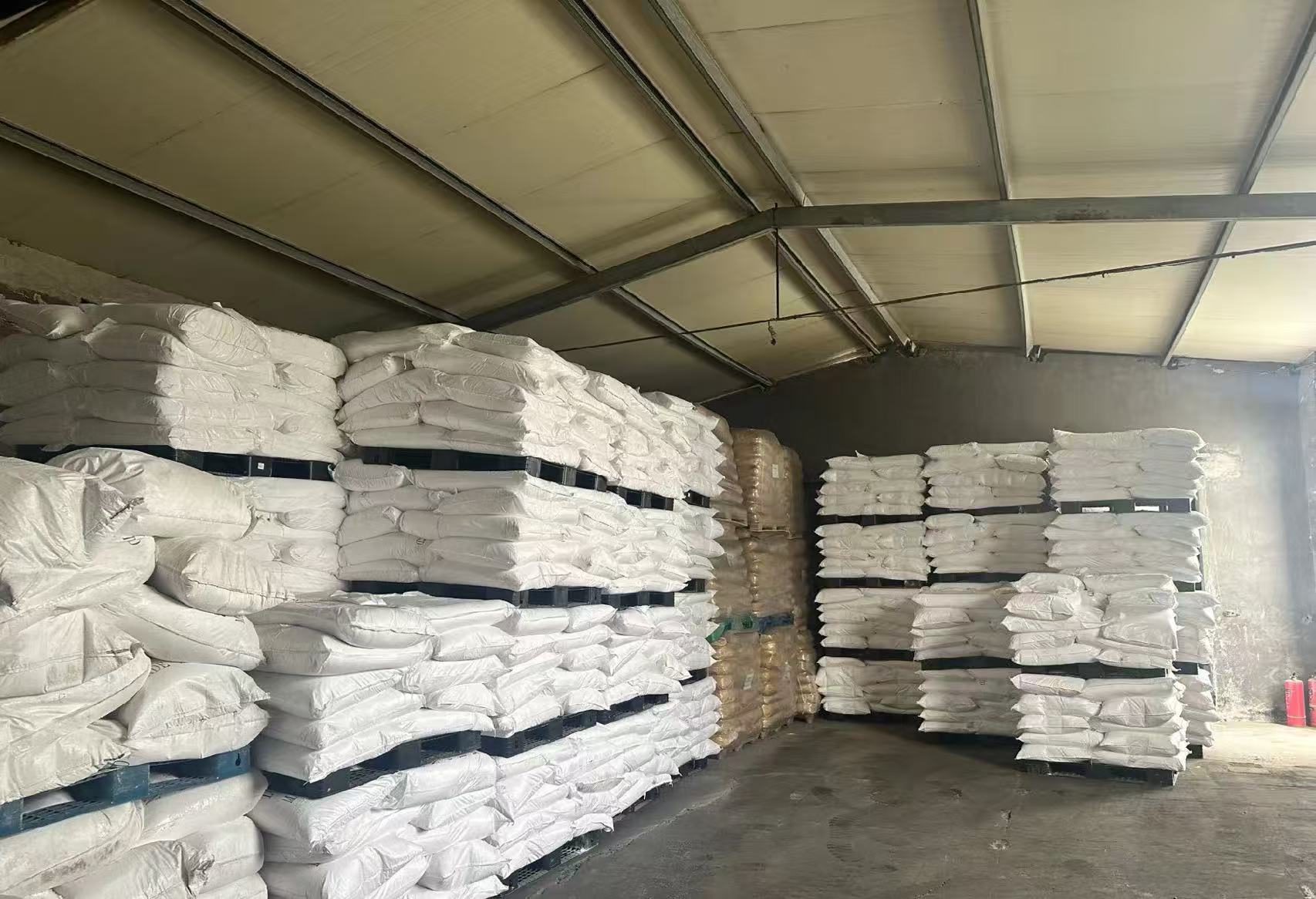
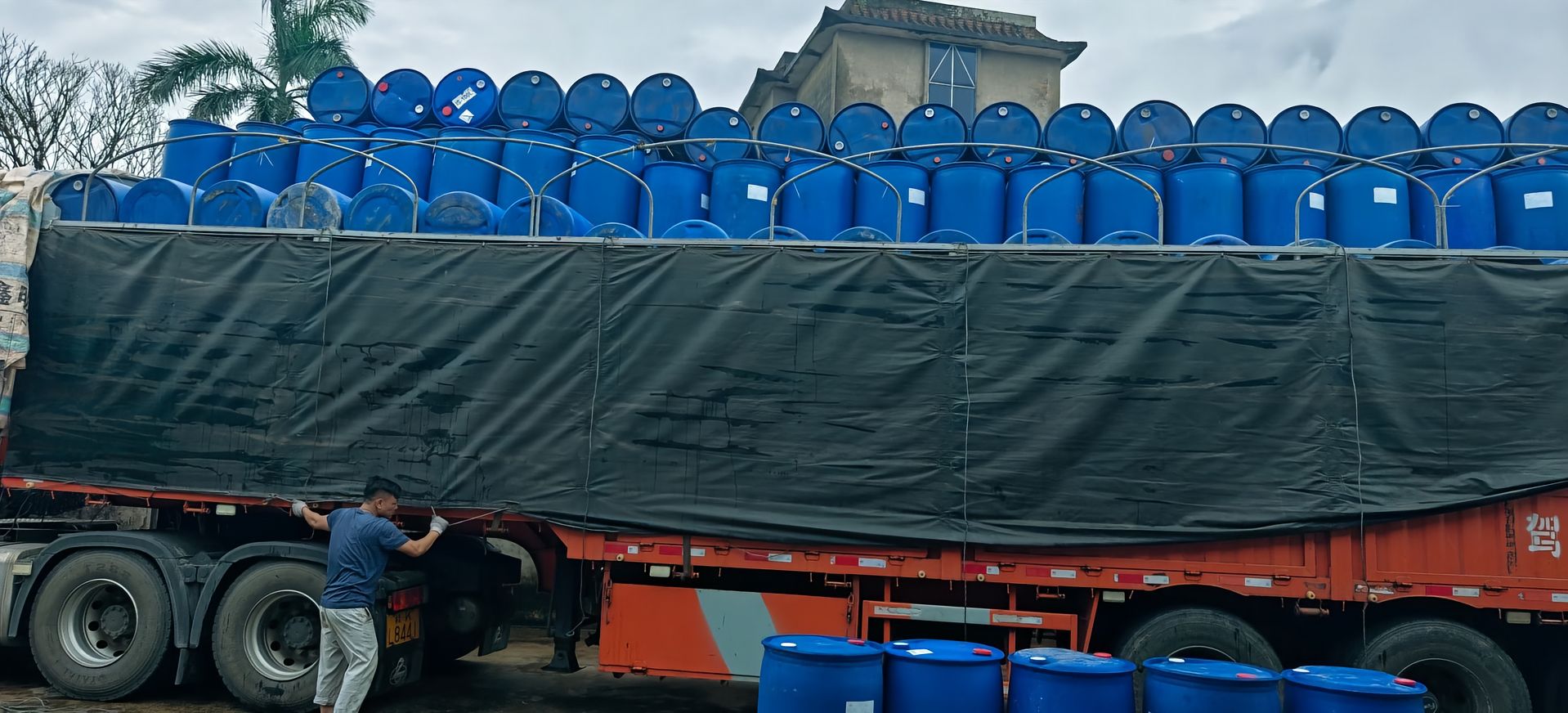
Packing: one metric tonne in a big bag, or according to customer's requirement
Can't Find The Product You Need?
Tell Us Your Product Requirements, Specifications And Target Industry, Our Professional Team Will Reply You Within 24 Hours.
Chemical Content TableProduct Packaging
Product Details
Introduction to Manganese Metal
It is also an important alloying element used in the manufacture of stainless steels, high-strength low alloy steels (HSLA), aluminium-manganese alloys and copper-manganese alloys. Manganese metal can be produced industrially and almost all of it is used in the steel industry to make ferromanganese alloys. Manganese ferroalloys can be obtained by reducing the appropriate proportions of iron oxide (Fe₂O₃) and manganese dioxide (MnO₂) with carbon (graphite) in a blast furnace. Pure manganese metal can be produced by electrolysis of manganese sulphate (MnSO₄).
Manganese is mainly used in the iron and steel industry for desulphurisation and deoxidation of steel; it is also used as an alloying additive to improve the strength, hardness, elasticity limit, wear resistance and corrosion resistance of steel; it is also used as an austenitic compounding element in high-alloyed steels, and is used in the refining of stainless steel, special alloy steels, stainless steel electrodes, etc. In addition, it is also used in non-ferrous metals, chemicals and other industries. In addition, it is also used in non-ferrous metals, chemical industry, medicine, food, analysis and scientific research. Manganese is widely used in automotive batteries, high-end equipment manufacturing, new materials and other fields.
Specification and particle size: natural lump, 10-100mm, powder or according to customer's requirement.
Packing: one metric tonne in a big bag or according to customer's requirement
Uses of Manganese Metal
Manganese is widely used in automotive batteries, high-end equipment manufacturing, new materials, etc. Each electric car requires an average of 4.5kg of manganese. Manganese is used in the production of many important alloys. In the iron and steel industry, manganese improves the quality, strength, toughness, stiffness, wear resistance, hardness and hardenability of rollers and castings. Manganese can form highly ferromagnetic alloys with aluminium and antimony, and especially with small amounts of copper. High-quality electrolytic manganese metal is also indispensable for applications in electrodes, ferrites, permanent magnet alloy components and manganese salts used in many medicinal and chemical industries. It is also required for recently invented vibration-damping alloys.
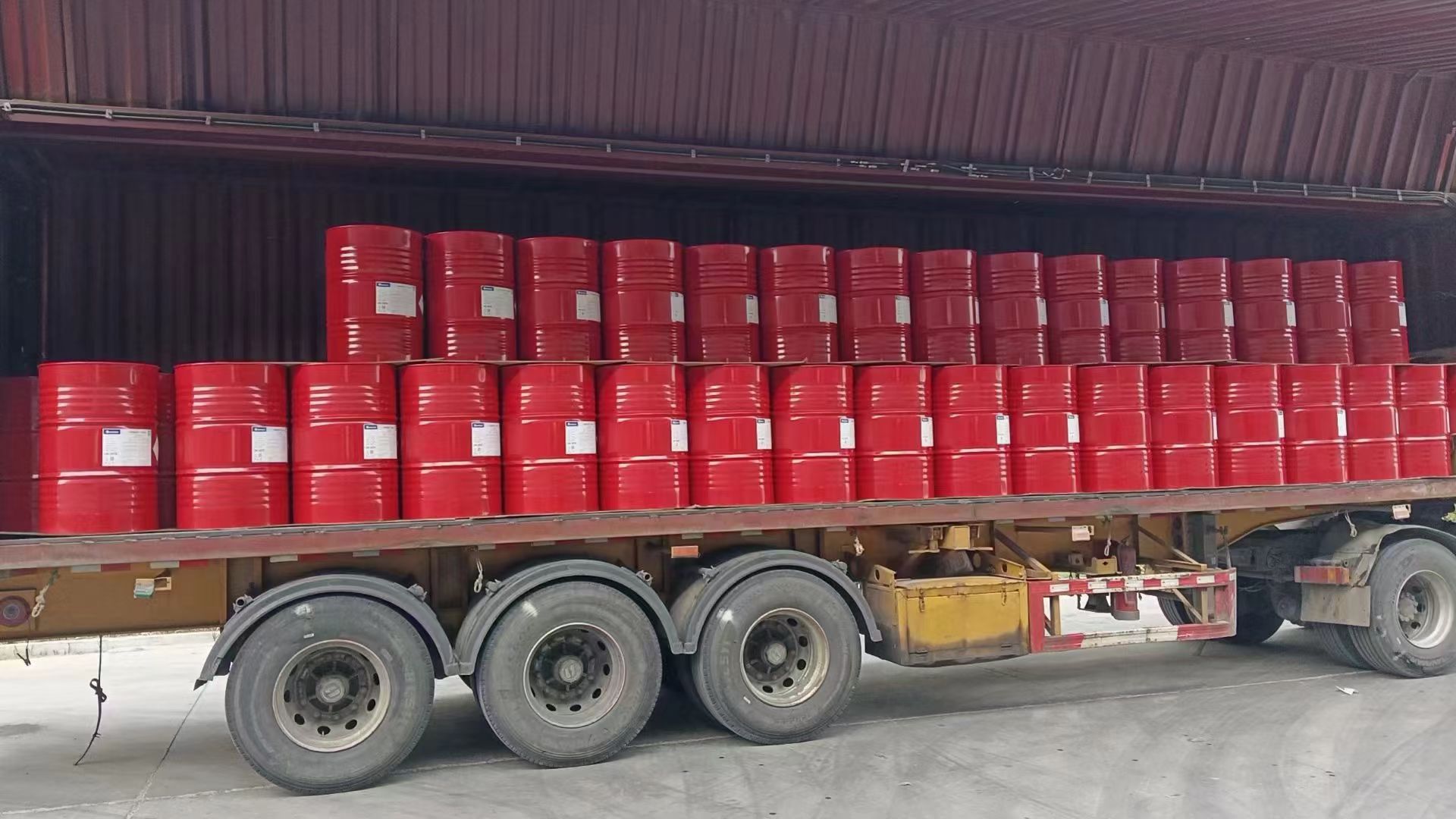
Q1: What international standards do your products and services comply with?
A1: Our products fully comply with international standards such as REACH, MSDS, and COA, and we strictly implement the ISO9001 quality management system. We can also provide third-party testing reports (SGS, BV, etc.) according to customer needs.
Q2: How long does it take for goods to be delivered to my country?
A2: The delivery time depends on the transport mode and destination country. Generally, sea transport takes 15-30 days, air transport takes 3-7 days, and we will optimize the transport route to shorten the delivery time as much as possible.
Can you provide customs clearance services for dangerous chemicals?
A3: Yes. Our team is proficient in the customs clearance procedures for dangerous chemicals in various countries, and can provide professional compliant declaration and customs clearance services to ensure smooth customs clearance.
Q4: Do you provide customized product and service solutions?
A4: Yes. We can provide personalized product customization and export service solutions according to your specific needs (product specifications, application scenarios, procurement volume, etc.).
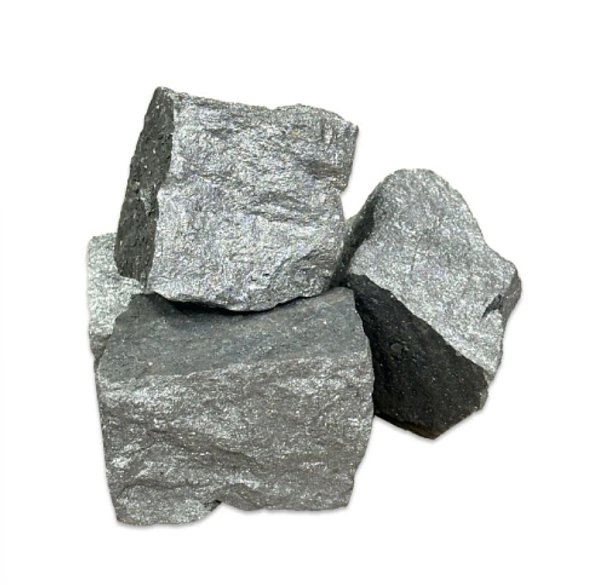
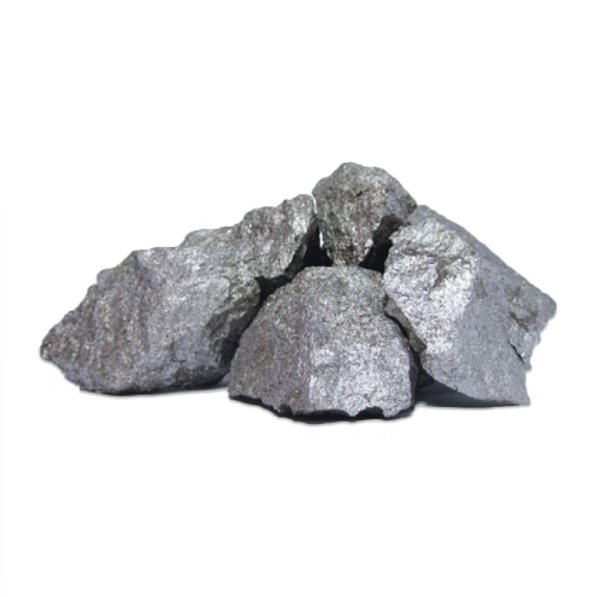
 Ferrosilicon 75Ferrosilicon is an iron alloy composed of iron and silicon. Ferrosilicon is an iron silicon alloy made by melting coke, scrap steel, quartz (or silica) as raw materials in an electric furnace. The manufacturer provides four grades of ferrosilicon, 75 # 72 # 70 # 65 #. The price of ferrosilicon is favorable, and the processing granularity includes natural blocks, standard blocks, particles, powders, etc. Can be provided according to customer requirements.
Learn More →
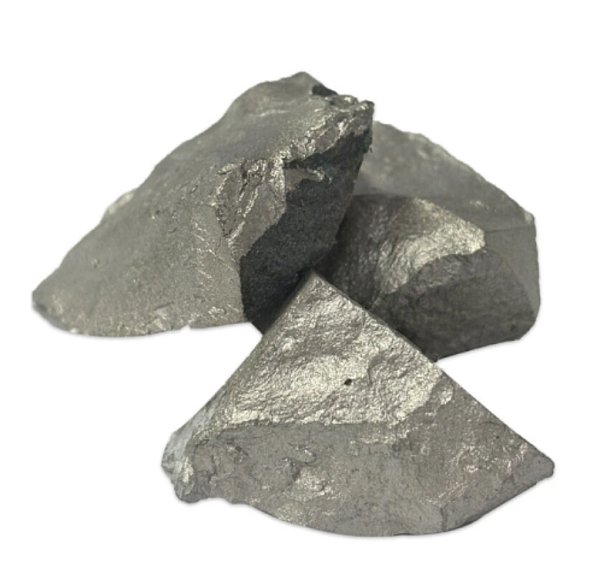
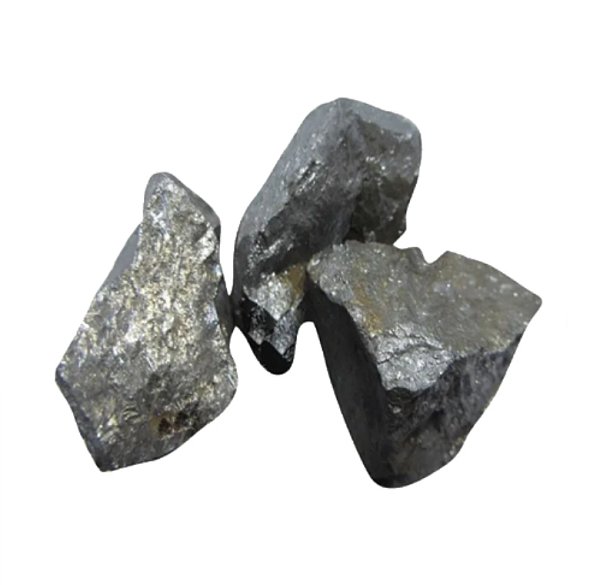
 Ferrosilicon 70Ferro Titanium, an intermediate alloy of titanium and iron, is used as a purifying agent for steel. Production process: Ferro-titanium is an alloy of titanium and iron. The process of producing ferrotitanium usually involves mixing titanium and iron feedstocks and reacting them at high temperatures. Specification and particle size: natural lump, 10-100mm, powder or customised according to customers' requirements. Packing: one metric tonne in a big bag, or according to customer's requirement.
Learn More →
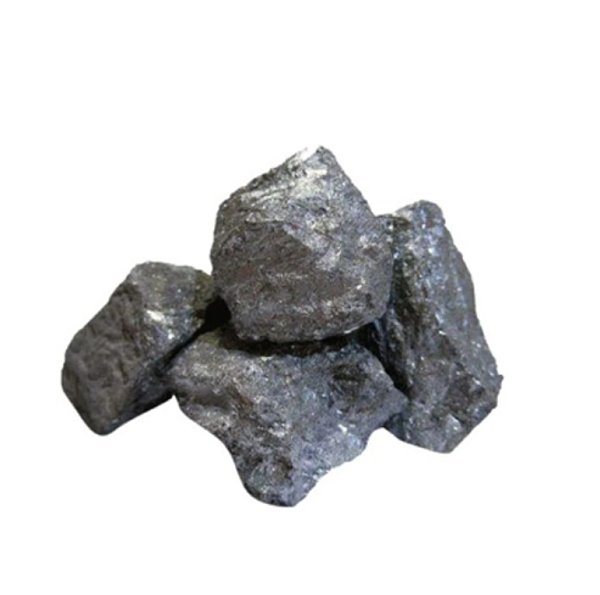
 Ferrosilicon 65Silicon iron 65 has always been one of the metallurgical materials purchased by metallurgical material manufacturers. The price of silicon iron 65 is slightly lower than that of silicon iron 75 72, but the silicon content is much better than that of low silicon iron. The national standard silicon iron content is better, and the effect in the metallurgical process is also more obvious. At the same time, the smelting cost is greatly reduced. Therefore, the national standard silicon iron 65 is very popular among metallurgical manufacturers! Specification and particle size: natural lump, 10-100mm, powder or customised according to customers' requirements. Packing: one metric tonne in a big bag, or according to customer's requirement.
Learn More →
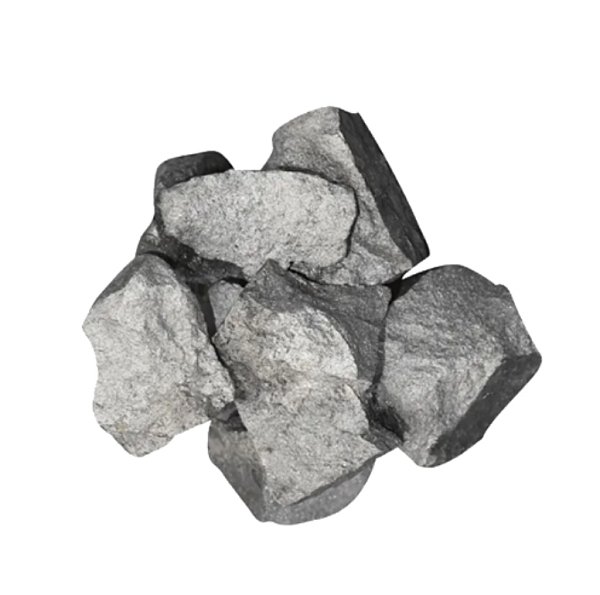
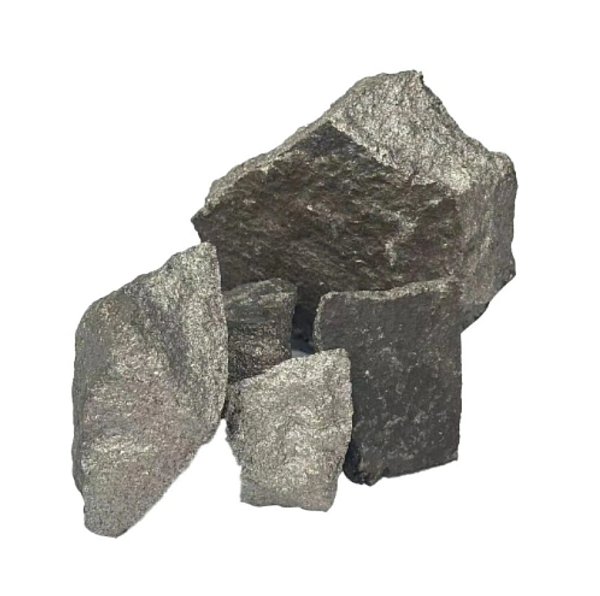
 Silicon-manganese Alloy 6517Silicon manganese alloy is an alloy composed of manganese, silicon, iron, and a small amount of carbon and other elements. It is a widely used and high-yield ferroalloy. Silicon manganese alloy is a commonly used composite deoxidizer in steelmaking, and also a reducing agent for low-carbon manganese iron and electro silicothermic production of metallic manganese in production. Specification and particle size: natural lump, 10-100mm, powder or customised according to customers' requirements. Packing: one metric tonne in a big bag, or according to customer's requirement
Learn More →
 Silicon-manganese Alloy 6818Introduction to Basic Knowledge of Silicon Manganese Alloy Introduction to Basic Knowledge of Silicon Manganese Alloy 1. Concept: Silicon manganese alloy is an alloy composed of manganese, silicon, iron, and a small amount of carbon and other elements. It is a widely used and high-yield iron alloy. Silicon manganese alloy is a commonly used composite deoxidizer in steelmaking, and also a reducing agent for low-carbon manganese iron and electro silicon thermal production of metallic manganese in production. Specification and particle size: natural lump, 10-100mm, powder or customised according to customers' requirements. Packing: one metric tonne in a big bag, or according to customer's requirement
Learn More →
 Silicon-manganese Alloy 6014Introduction to Silicon Manganese Silicon manganese alloy is an alloy composed of manganese, silicon, iron, and a small amount of carbon and other elements. It is a widely used and high-yield ferroalloy. Silicon manganese alloy is a commonly used composite deoxidizer in steelmaking, and also a reducing agent for low-carbon manganese iron and electro silicothermic production of metallic manganese in production. Specification and particle size: natural lump, 10-100mm, powder or customised according to customers' requirements. Packing: one metric tonne in a big bag, or according to customer's requirement
Learn More →
 Silicon-manganese AlloyIntroduction to Silicon Manganese Silicon manganese alloy is an alloy composed of manganese, silicon, iron, and a small amount of carbon and other elements. It is a widely used and high-yield ferroalloy. Silicon manganese alloy is a commonly used composite deoxidizer in steelmaking, and also a reducing agent for low-carbon manganese iron and electro silicothermic production of metallic manganese in production. Specification and particle size: natural lump, 10-100mm, powder or customised according to customers' requirements. Packing: one metric tonne in a big bag, or according to customer's requirement
Learn More →
 Low-carbon FerromanganeseQuality Assurance
Delivery Time: Fast delivery within 3-7 days.
Samples: Free samples are available.
We offer ferromanganese grades for selection. First order discount, contact us now.
Specification and particle size: natural lump, 10-100mm, powder or customised according to customers' requirements.
Packing: one metric tonne in a big bag, or according to customer's requirementLearn More →
Send Your Inquiry
We welcome your cooperation and we will develop with you.